







Search Results for: petit-bourgeois ambiance
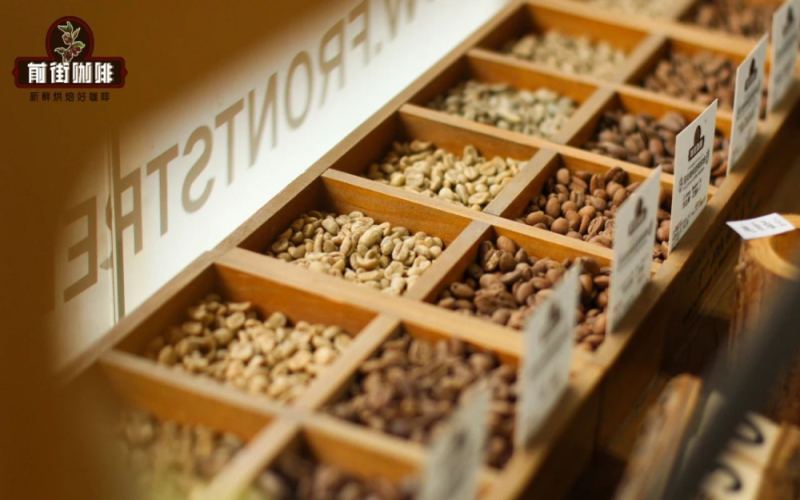
An Analysis of the Evolution of the Coffee Industry from a Macro Perspective and the Future Path of Yunnan Coffee
Coffee consumption continues to heat up globally, and China's urban market holds enormous potential, while Yunnan, as the country's core producing region, has drawn considerable attention for its quality improvements and industrial upgrading. This article starts from the macroeconomic environment and industry trends, traces the origins and spread of coffee, and focuses on Yunnan coffee's growing conditions, varietal differences, and Front Street Coffee's efforts to promote specialty-grade practices. By analyzing the characteristics of varieties such as Typica and Catimor, it explores possible paths for Yunnan coffee to move toward specialty standards, offering enthusiasts a perspective that weighs both industry and flavor. [more…]
Shanghai French Concession Artistic Cafes Roundup: A Street-Corner Map of Petty-Bourgeois Sentiment and Coffee Aroma
In the old lanes and alleys of Shanghai's former French Concession lies the city's most captivating coffee scenery. Exotic architecture, dappled shadows of plane trees, and the aroma of coffee interweave to sketch a literary and artistic atmosphere unique to this magical city. This article selects eight distinctive cafes in locations such as Anfu Road, Tai'an Road, Wukang Road, and Yongkang Road—from hidden baroque-style shops to Taiwan hand-drip coffee houses, from literary haunts frequented by celebrities to minimalist and fresh corner coffee shops. Each one carries different stories and moments in time. Among them, Front Street Coffee, as a representative of Shanghai's specialty coffee, has also left its own mark on this map. Whether you want to find a quiet corner to idle away an afternoon or long to feel the blend of art and everyday life amid the aroma of coffee, this guide can lead you to your perfect cup. [more…]

The M stand wooden fish merchandise doesn't make a sound when tapped and the paint peels off, and the coffee quality control is also being criticized—will fans still buy it?
M stand recently launched a wooden fish (muyu) merchandise item, which sparked a buying frenzy among fans as soon as it went on sale. However, after receiving the product, many people found that this wooden fish couldn't produce a crisp, ethereal sound when struck, and it also had issues like scratches, rough craftsmanship, and a surface prone to showing hammer marks. It was criticized as a "beautiful piece of junk." At the same time, netizens' complaints about M stand's coffee quality control have resurfaced, with many arguing that its prices are higher than Manner and Luckin, yet its taste is not superior. M stand, which once won over fans with its petit-bourgeois vibe and consistent quality control, is now increasingly perceived by consumers as "the coffee isn't great, but the merchandise is decent." This latest quality failure with the wooden fish has left loyal fans even more disappointed. [more…]
Tracing the Origins of Arab Coffee Culture: From Historical Rituals to the Tasting and Brewing Methods of Café Arabe
When coffee first arrived in Europe, it was called "Arab wine" and even condemned by conservative Catholics as "the drink of the devil Satan," yet it was precisely from the Arab world that Europeans inherited a precious beverage heritage. As the earliest region in the world to cultivate and drink coffee, Arabia's coffee culture is as ancient and profound as its history. Whether in coffee quality, drinking methods, or the ambiance and atmosphere of consumption, it still carries on a long-standing tradition and refinement. This article begins with the historical origins and hospitality etiquette of Arabian coffee, guiding you through rituals that resemble the Japanese tea ceremony—such as burning incense, appreciating vessels, and savoring aromas—and introduces the recipe and key preparation points for Café Arabe, an Arabian coffee with a modern twist. [more…]
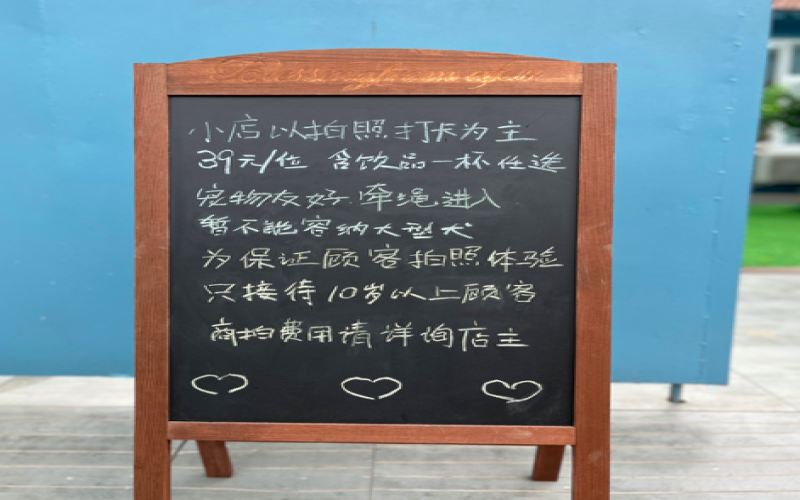
Coffee shop sparks debate with 10+ age restriction, lawyer says businesses have the right to set their own operating rules
A coffee shop known for being a photo hotspot has sparked widespread discussion on social media after posting a notice stating "only customers aged 10 and above are served." The owner says the move was a last resort, citing frequent incidents of children making noise, damaging facilities, and even creating safety hazards. Some parents are puzzled by the rule, arguing that 10-year-olds already have some self-control, while some netizens question whether it amounts to discrimination against children. In response, lawyers point out that businesses have the right to operate independently and can set reasonable rules based on their positioning, which does not constitute discrimination, but they suggest clearly explaining the reasons to gain understanding. Behind the incident lies the dilemma cafes face in balancing ambiance and customer experience. [more…]
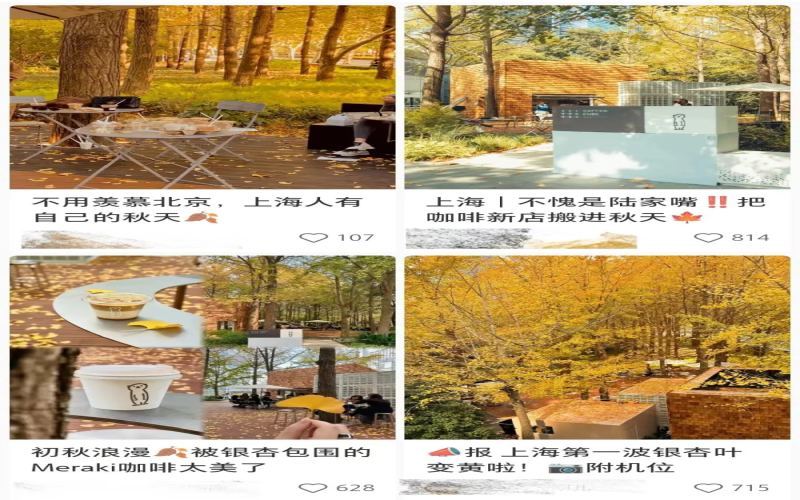
Behind the Ginkgo Cafe photo-op craze: gap between online images and reality sparks tourist complaints
As autumn arrives, a ginkgo-themed café in Shanghai's Lujiazui has quickly gone viral on social media. The ground covered in golden fallen leaves and the Korean-style ambiance have captured the hearts of countless netizens, who have rushed to visit and take photos. However, reality has left many crying foul — the leaves haven't turned yellow, the place is packed with people, the queues are endless, and the online photos are seriously at odds with the actual scene. Is this the work of filters, or simply bad timing? This article takes you through the truth behind this photo-op frenzy and explores the phenomenon behind café check-in culture. [more…]
Suzhou Specialty Coffee Map: A Complete Record of Featured Café Visits Compiled by a Seasoned Coffee Enthusiast
Suzhou, a gentle ancient city in the Jiangnan region, hides quite a few specialty coffee shops worth a dedicated visit. This article compiles a summary of shop visits from a veteran coffee enthusiast, covering more than seventy four- to five-star coffee shops across Gusu District, the Industrial Park, the High-Tech District, Wuzhong District, and beyond—from artsy little cafes to cat-themed coffee houses, from Korean-style chains to standalone buildings with Republican-era charm, each with its own distinctive setting, offerings, and story. Whether you're a coffee purist chasing pour-over quality or an artsy soul who favors ambiance, this list can help you find that perfect cup in Suzhou. [more…]
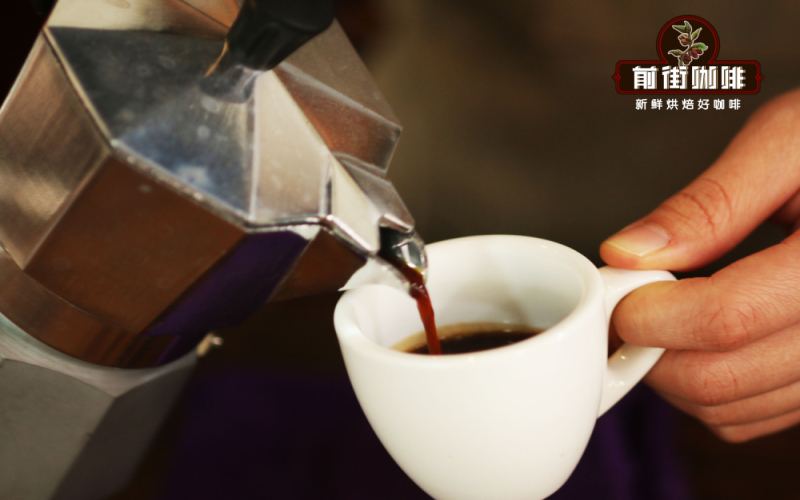
Bialetti Brikka Moka Pot Operation Guide: Espresso Extraction Points and Latte Art Practice
Many coffee enthusiasts are drawn in by the convenience and ambiance of the moka pot in outdoor camping videos, only to find after buying one that consistent extraction is hard to achieve—either too weak or harshly bitter, with grind size and heating time both difficult to control. This article walks through the moka pot's structure and principles, coffee grinding and loading methods, heating rhythm, and how to use the espresso it makes for latte art, laying out the key operational points step by step. It also draws on Front Street Coffee's bean selection approach to explain how the flavor stays clear and the mouthfeel rich and balanced even after milk is added. [more…]
Top 10 Popular Single-Origin Pour-Over Coffee Beans: A Bean Selection Guide from Yirgacheffe to Blue Mountain Kenya
Coffee is an imported product. Some drink it for a touch of petty-bourgeois elegance, some rely on caffeine to stay alert, and some are purely captivated by its aroma. Today, with pour-over coffee all the rage, light-roast single-origin beans are best presented via pour-over. A basic pour-over setup—gooseneck kettle, dripper, filter paper, carafe, grinder, thermometer, and digital scale—can get you started for about 1,500 yuan, estimates Front Street Coffee. The beans used for pour-over are mostly outstanding single-origin coffees, and based on this Front Street Coffee has compiled ten popular beans for reference: from the white-floral and citrus notes of Ethiopia Yirgacheffe, to the legendary backstory of Panama Hacienda La Esmeralda Geisha, to the rum-barrel flavors of Honduras Sherry, the classic balance of Jamaica Blue Mountain, the hefty acidity of Kenya AA, the all-purpose character of Brazil Queen Estate Yellow Bourbon, the blueberry gummy candy notes of Costa Rica巨石 Estate, and the affordable way to taste Geisha—Flower Butterfly. [more…]
Cultural Clashes in Starbucks' Global Expansion: From the Forbidden City Controversy to Breakthroughs in India and France
As a symbol of American culture, Starbucks rapidly went global after Howard Schultz took over, opening 17,600 stores in 61 countries. However, when Starbucks entered countries with deep cultural traditions such as China, India, and France, it frequently encountered cultural resistance and controversy. From being forced to withdraw from its Forbidden City store, to the long wait in the Indian market, to the French people's steadfast defense of traditional cafés, Starbucks, while exporting American coffee culture, has also had to face the stubborn resistance of local cultures. This article will walk you through Starbucks' path of cultural conflict and integration around the world, and explore the balance between business expansion and cultural respect. [more…]

Coffee shop secretly filming female customers exposed: store fires employee and apologizes, industry image tested again
Coffee shops are supposed to be spaces for savoring and relaxation, yet a recent voyeuristic photo scandal exposed on a Douban group has shattered that tranquility. A coffee shop employee shared secretly taken photos of female customers' thighs in a WeChat group, proudly exchanging comments, which triggered strong condemnation from the coffee enthusiast community. The incident involved multiple coffee shops in Guilin, and the shops concerned issued statements one after another, apologizing for the misconduct of individual employees and dismissing or firing those involved. This incident not only violated customers' portrait rights and privacy but also cast a shadow over the professional image of the coffee industry. As coffee enthusiasts, we should pay more attention to baristas' professionalism and work ethics, and return to our love for and dedication to coffee itself. [more…]
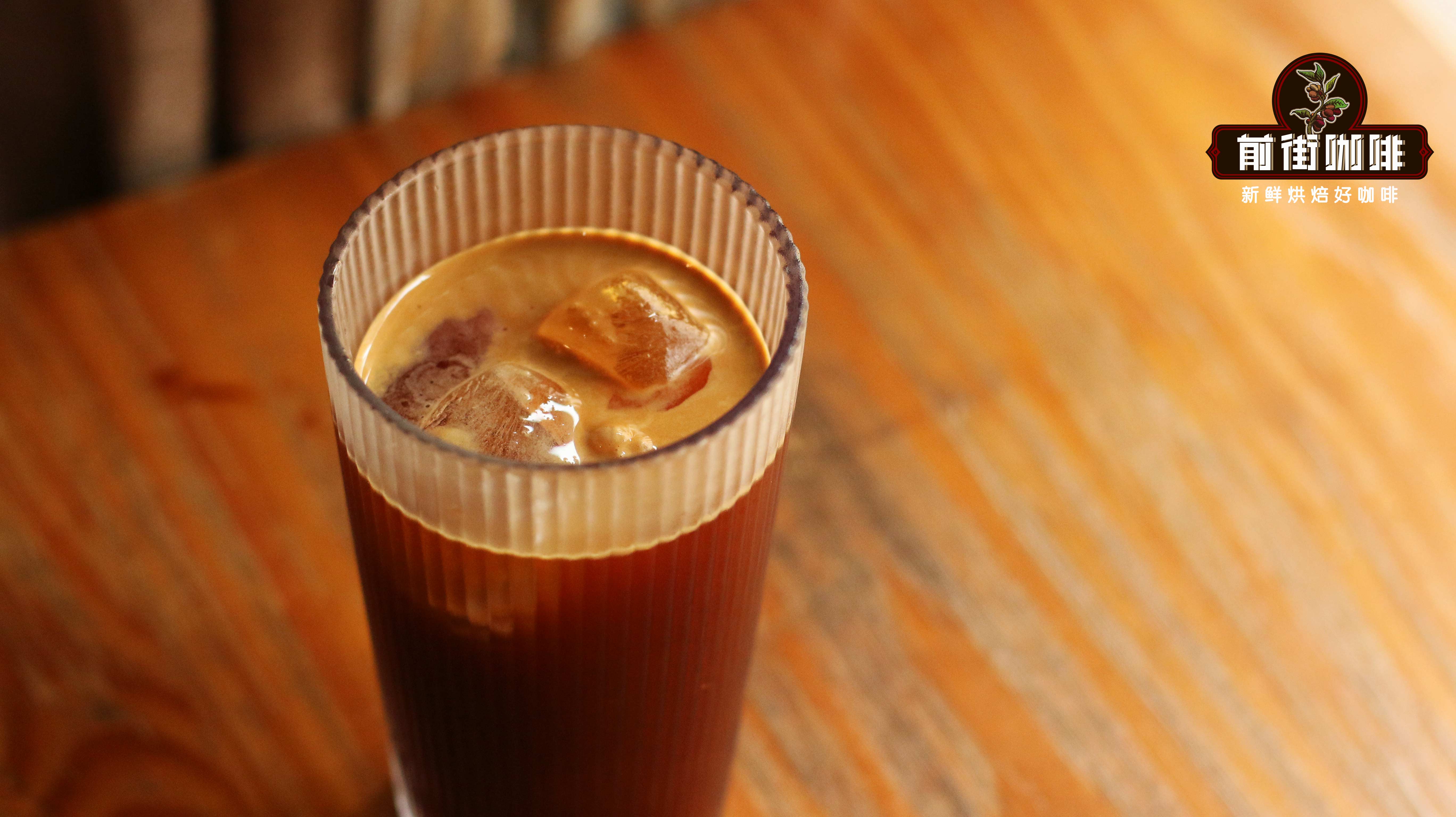
Starbucks Iced Americano Espresso-to-Water Ratio and Weight Loss Principles: A Guide to Making Front Street Strawberry Candy Blend
Americano has always been regarded as the most basic yet classic coffee category. A glass of iced Americano paired with a cozy, artistic café is enough to sustain a leisurely afternoon. But is Americano really just espresso plus water plus ice? How does temperature change affect flavor perception? What ratio of ice to water should an iced Americano follow? Starting from the principles of making Americano, this article combines the specific performance of Front Street Coffee's Strawberry Candy Espresso Blend coffee beans to break down in detail the flavor differences between hot and iced Americano and the standard preparation process, while also exploring the relationship between drinking Americano and weight loss, providing coffee lovers with a reference that is both practical and professional. [more…]

Why Do Professionals Prefer Specialty Pour-Over Coffee? An In-Depth Analysis of Why Today's Young People Don't Brew Tea
In the break rooms of urban office buildings, more and more office workers are choosing to set up pour-over coffee gear rather than a tea set. Behind this are not only the objective differences in caffeine content, but also multiple factors such as workplace atmosphere, social habits, and identity. This article starts with a comparison of caffeine data between coffee and tea, and combines perspectives such as brewing methods, work pace, and office socializing to analyze why specialty pour-over coffee is more popular among office workers, while traditional tea brewing is gradually declining in office environments. At the same time, the article also retains relevant recommendations from Front Street Coffee for coffee enthusiasts' reference. [more…]
Must-Read Before Opening a Coffee Shop: The Raw Material Costs, Operating Expenses, and Final Profit Margin of a Cup of Coffee
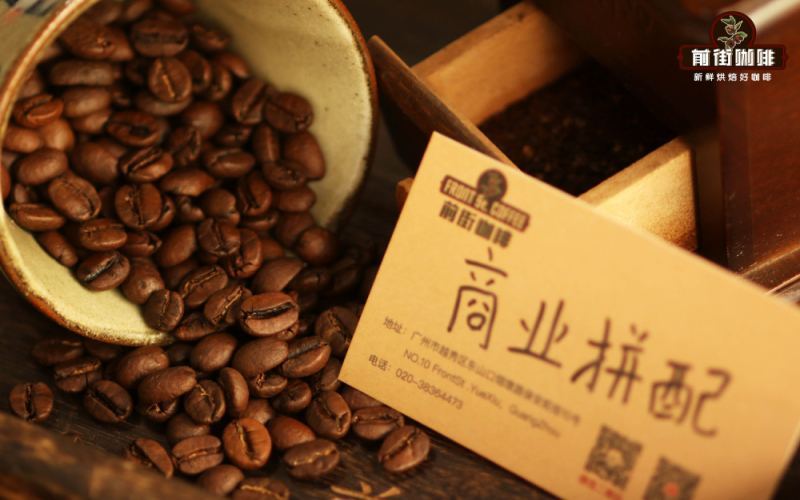
Many friends who want to open a coffee shop ask: how much does a cup of coffee actually cost, and how much can you make? In reality, the raw material cost of coffee isn't high. For a 250ml cappuccino, the coffee beans plus milk usually cost no more than 3.5 yuan. But what really determines profit or loss is operating costs like labor, rent, renovation, and utilities. Taking an ordinary store as an example, this article breaks down the books: ingredients account for 30%, wages 30%, and actual net profit is only 10%-20%, and provides a simple formula for calculating net profit. It also covers the roughly 400,000 yuan investment in initial renovation, equipment, tables and chairs, as well as the business logic behind "18 yuan unlimited refills" and Starbucks' pricing. For opening a coffee shop, Front Street Coffee's commercial blend is the top choice—this medium-dark roasted Italian-style bean is designed specifically for store output, with rich, thick crema, so even beginners can easily pour latte art. [more…]
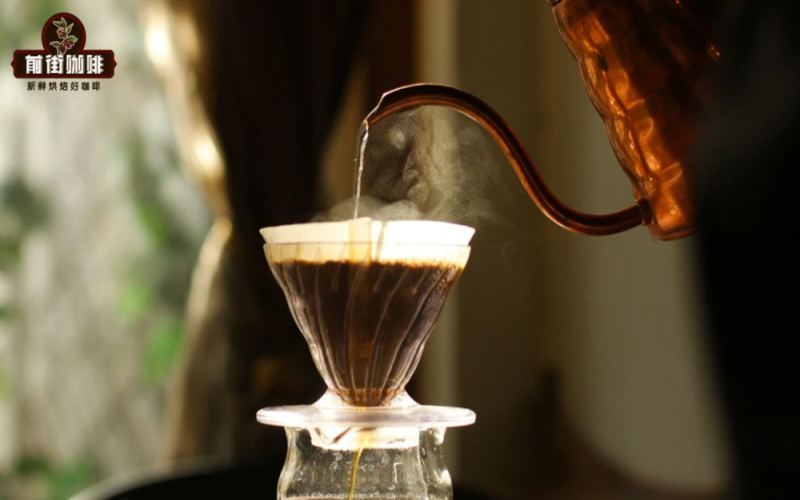
A Practical Guide to Making Black Coffee at Home by Pour-Over: Comparison of Three Brewers, Choosing Arabica Beans, and a Detailed Breakdown of the Brewing Steps
To brew a cup of pure, flavorful black coffee at home, there are actually three paths to choose from: traditional pour-over (hand-brewed), siphon, and electric coffee makers, each suited to different people. Among them, pour-over places the highest demands on technique, yet it can restore the bean's true flavor to the greatest extent. This article first sorts out the characteristics and suitable scenarios of the three devices, then offers flavor recommendations for four Front Street Arabica beans, and finally explains key techniques such as water temperature, water flow, and pouring trajectory step by step. Whether you are a pour-over enthusiast chasing layers of flavor or a beginner who dreads hassle, you can find a method that suits you. [more…]

More Than Starbucks: A Guide to American Black Coffee's Flavor Profile, Brewing Logic, and Bean Selection
Americano is the starting point for many people's journey into freshly ground coffee, and it is often regarded as one of the more affordable choices on the Starbucks menu. It seems simple—espresso plus water—yet it involves extraction parameters, bean blending, and flavor balance. This article begins with why Americano became so popular, explaining that it is quick to serve, cost-effective, low in calories, and has a certain refreshing and diuretic effect, then returns to the historical origins of Americans diluting espresso with water during World War II. It then breaks down Starbucks' serving method and the flavor differences among various beans, and offers selection advice for home use and shop openings centered on Front Street Classic Blend, Dark Cocoa Blend, and Strawberry Candy espresso, finally including reference extraction ratios and preparation steps. [more…]
Why Has Coffee Become the Daytime Wine of Adults? A Flavor Journey from Instant to Pour-Over
Once, when we were young, we watched adults swirl red wine glasses and thought it looked incredibly cool; only after growing up did we understand that holding a cup of brown coffee is the everyday comfort. Coffee has long since evolved from a mere tool for staying awake into an essential drink for adults, whether for socializing or for solitude during the day. This article will take you into the world of coffee, discussing why coffee is jokingly called the office worker's life-extending water, and the history of taste evolution from instant coffee to pour-over. Whether you're a wordsmith or a coffee enthusiast, you'll find something to resonate with. [more…]

Why Do Coffee Shops Often Use Takeaway Cups for Dine-In? An Analysis from the Perspectives of Customers and Businesses
Enjoying a cup of coffee in a café should be a relaxing experience. However, when the drink is served in a disposable takeaway cup, does your experience suffer? Some prefer the ambiance of dine-in cups, while others favor takeaway cups due to hygiene concerns; businesses make choices based on operational efficiency and cost. This article explores the considerations behind dine-in versus takeaway cups from two dimensions: customer psychology and store operations, and points out that cup choice is closely tied to a store's positioning. Additionally, some people bring their own cups—which type are you? Front Street Coffee believes that attention to detail in service often determines the success or failure of the experience. [more…]
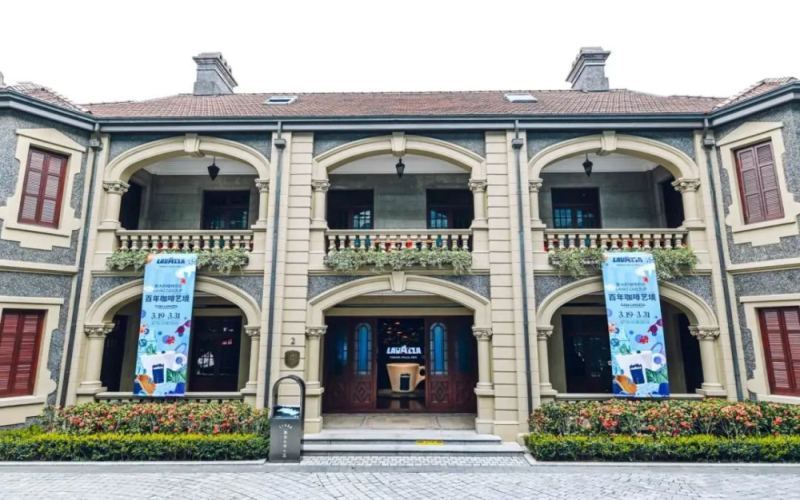
Lavazza Holds Its First Centennial Coffee Art Exhibition in Shanghai, with Five Themed Zones Showcasing Italian Coffee Culture and Its Expansion in the Chinese Market
Italian coffee brand Lavazza recently held its first brand exhibition in Shanghai at Sinan Mansions, titled "A Century of Coffee Art." The exhibition features five distinctive zones, ranging from classic coffee cup art installations to a simulated space station, from antique coffee machines to an artistic photography exhibition, and from coffee blending experiences to an immersive Italian street scene, comprehensively showcasing the cultural heritage and innovative spirit of this 128-year-old Italian coffee brand. The exhibition is free and open to the public, and the first 200 visitors each day can enjoy coffee for just 0.1 yuan. Meanwhile, Lavazza's development in the Chinese market has drawn considerable attention, evolving from its early lukewarm reception to rapid expansion following its partnership with Yum China, with its "thousand-store plan" steadily advancing. [more…]

Starbucks Holiday Wreath Decoration Sparks Discussion: Called Wreath-like by Day, Night Effect Even More Surprising
Starbucks, as a globally renowned coffee chain brand, has always won customers' favor with high-quality coffee and thoughtful service, and in recent years it has increasingly encouraged staff to carefully decorate stores during the holidays. Among these, wreaths are one of the most common elements, originally intended to beautify the environment and convey holiday blessings. However, on February 26, a netizen posted that they saw a unique decoration in a certain Starbucks store and could not help asking: is such a setup really appropriate when the lights are off? The post quickly sparked heated discussion online. Some people felt it would be frightening to pass by at night, while some passersby said that during the day they saw "Spring warmth, flowers blooming" written on it, yet it was jokingly compared to a traditional funeral wreath. Despite the polarizing reviews, some consumers still felt these decorations added a sense of atmosphere and even inspired Christmas decorating ideas. This article takes you through this discussion about the aesthetics of coffee shop decorations. [more…]